
Quick Answer: Before starting any multifamily construction project, developers need to evaluate site feasibility, zoning and permitting requirements, realistic multifamily construction costs, and a timeline that accounts for potential delays. Strong construction planning upfront, paired with a clear construction budget, helps avoid the cost overruns and scheduling issues that derail so many multifamily construction projects after ground has already been broken.
Multifamily construction projects involve far more upfront planning than many developers expect, and decisions made before breaking ground often determine whether a project stays on budget and schedule. Rushing into site work without fully evaluating these factors is one of the most common reasons projects run into costly problems later. Here’s what to consider before starting a multifamily construction project.
Site Selection and Feasibility
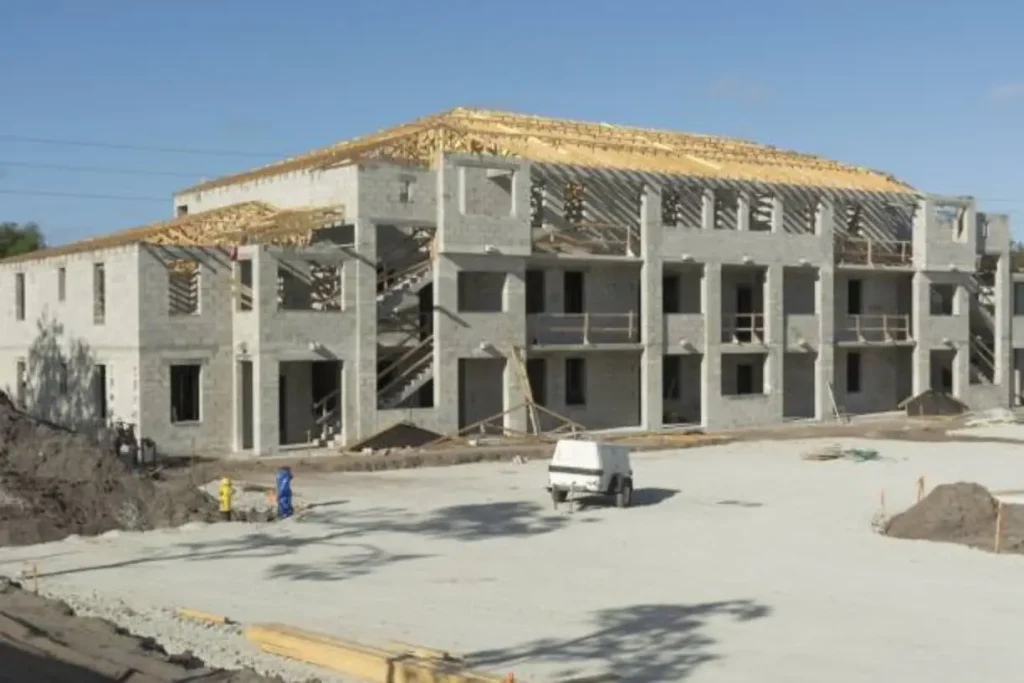
Choosing the right site is the foundation of a successful multifamily construction project. Beyond simply finding available land, developers need to evaluate zoning restrictions and whether the site allows the density being planned, soil conditions and topography, which affect both feasibility and cost, proximity to utilities, roads, and public transit, and demand in the surrounding market for the type of units being built. A site that looks promising on paper can quickly become a problem if soil conditions require expensive foundation work or if zoning doesn’t actually support the planned unit count.
Zoning, Permitting, and Local Regulations
Zoning and permitting requirements vary significantly by municipality, and they often take longer to navigate than developers initially expect. Multifamily projects typically require approval for density, parking requirements, building height, and sometimes affordable housing set-asides depending on local regulations. Public hearings and community input can also add time to the approval process, especially in areas where multifamily development faces pushback from neighboring property owners. Factoring realistic permitting timelines into early construction planning helps avoid delays that push back the entire project schedule.
Understanding Multifamily Construction Costs
Getting a realistic handle on multifamily construction costs early is one of the most important steps before committing to a project. Costs typically break down across several major categories: land acquisition and site preparation, hard costs like materials, labor, and structural work, soft costs including architecture, engineering, and permitting fees, and a contingency fund for unexpected issues that arise during construction. Material and labor costs can also fluctuate significantly based on market conditions, so building flexibility into a construction budget is essential rather than optional, especially for projects with longer timelines.
Financing and Budget Planning
A solid construction budget needs to account for more than just construction costs. Developers typically need financing that covers predevelopment expenses before any physical work begins, construction costs throughout the build, and a reasonable buffer for delays or price increases in materials and labor. Lenders will also want to see a clear project timeline and market analysis supporting the investment, which makes thorough planning not just useful internally but necessary for securing financing in the first place.
Design and Unit Mix Decisions
Before construction begins, developers need to finalize decisions around unit mix, amenities, and overall design that align with both the target market and the budget. A few key questions typically guide this stage:
- What mix of unit sizes best matches local rental or sale demand?
- Which amenities are worth the added cost, and which are optional?
- How does the building’s design affect long-term maintenance costs?
- Does the design support efficient construction, or will it add complexity and cost?
Getting these decisions right before construction starts helps avoid costly mid-project changes, which almost always cost more than addressing them during the planning phase.
Building a Realistic Construction Timeline
Multifamily construction projects typically take well over a year from planning through completion, and timelines can stretch longer depending on project size and local permitting speed. Effective construction planning includes realistic estimates for each phase, including design and permitting, site preparation, the main construction phase, and final inspections before occupancy. Weather delays, material availability, and labor shortages can all affect the schedule, which is why experienced developers typically build buffer time into their projections rather than assuming best-case conditions throughout.
Working With the Right Construction Team
The team managing a multifamily construction project has a significant impact on whether it stays on time and on budget. An experienced contractor brings realistic cost estimates based on current market conditions, established relationships with subcontractors and suppliers, and the ability to anticipate and solve problems before they cause major delays. Reviewing a contractor’s experience with similar multifamily projects, not just general construction work, helps ensure they understand the specific challenges these projects tend to involve.
Common Mistakes to Avoid
A few recurring mistakes tend to cause the most trouble in multifamily construction: underestimating costs without adequate contingency funds, skipping thorough site evaluation before purchasing land, rushing the permitting process without realistic timeline expectations, and failing to account for market changes that can affect financing or demand mid-project. Avoiding these issues starts with the same answer every time: thorough planning before any ground is broken.
Frequently Asked Questions
What’s the biggest factor in multifamily construction costs?
Hard costs like materials and labor typically make up the largest share, though soft costs and land acquisition can significantly affect the total budget as well.
How long does a multifamily construction project usually take?
Most projects take well over a year from initial planning through completion, with permitting and the main construction phase accounting for the bulk of that time.
Why is zoning such a big factor in multifamily development?
Zoning determines allowed density, building height, and parking requirements, all of which directly affect how a project can be designed and whether it’s financially viable.
How much contingency should be built into a construction budget?
While it varies by project, experienced developers typically set aside a meaningful contingency percentage to absorb unexpected costs without derailing the entire budget.
What should I look for in a multifamily construction contractor?
Look for proven experience specifically with multifamily projects, realistic cost estimating, and strong relationships with subcontractors that help keep the project on schedule.
About Build Once Construction
Build Once Construction helps developers plan and execute successful multifamily construction projects from the ground up. The team provides experienced construction planning, realistic budgeting, and hands-on project management to keep every multifamily construction project on schedule and within budget.
Planning a Multifamily Development?
Before you break ground, make sure your project has the right planning and budget behind it. Contact Build Once Construction today to discuss your multifamily construction project and get expert guidance from planning through completion.