
Quick Answer: The condo construction process generally moves through five main stages: planning and design, permitting and approvals, site preparation, the actual construction phase, and final inspections before completion. Each stage builds on the last, and skipping steps or rushing approvals is one of the most common reasons projects face delays. Understanding the full condo construction process upfront helps developers, investors, and future residents set realistic expectations for timeline and budget.
Building a condominium is a far more involved process than most people realize, with layers of planning, approvals, and coordination happening long before the first wall goes up. Whether you’re a developer, investor, or simply curious about how these projects come together, this guide breaks down the condo construction process from the earliest planning stages through final completion.
Stage 1: Planning and Design
Every condo project starts with planning, long before any construction management begins on site. Developers work with architects and engineers to define the project’s scope, including unit count, building size, and amenities, while also assessing site feasibility and zoning requirements. This stage typically involves conceptual design drawings, budget estimates, and market analysis to confirm there’s demand for the type of units being planned. Getting this stage right matters enormously, since changes made later in the process, once permits are filed or construction has started, become far more expensive and time-consuming to implement.
Stage 2: Permitting and Approvals
Once the design is finalized, the project moves into permitting, often one of the slowest parts of the entire condo building process. Local zoning boards and building departments review plans to confirm they meet code requirements, environmental regulations, and neighborhood guidelines. Depending on the municipality, this stage can involve public hearings, environmental impact assessments, and multiple rounds of revisions before final approval. Experienced developers typically build extra time into their schedule for this phase, since permitting delays are one of the most common reasons condo projects fall behind their original timeline.
Stage 3: Site Preparation
With permits in hand, the project shifts to physical site preparation. This includes clearing and grading the land, installing temporary utilities and site access, and excavating for the foundation. Soil testing usually happens here as well, confirming the ground can support the planned structure before any foundation work begins. Good construction management during this stage is critical, since issues discovered now, like unstable soil or unexpected underground utilities, are far easier and cheaper to address before the building itself starts going up.
Stage 4: Construction
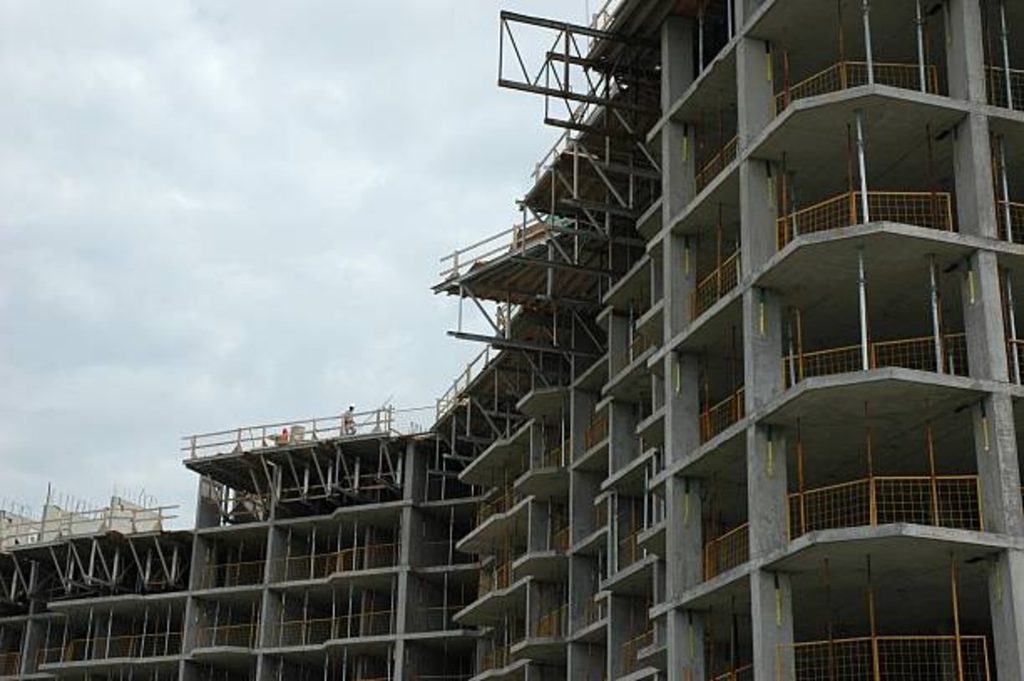
This is the stage most people picture when they think of condo construction company foundation work, structural framing, and the building taking visible shape. It typically unfolds in a fairly consistent order, starting with the foundation and structural framework, followed by exterior walls, roofing, and building envelope work. From there, crews move to rough-in work for plumbing, electrical, and HVAC systems, followed by interior finishes like drywall, flooring, and fixtures, and finally unit-specific finishes along with shared amenity spaces like lobbies, gyms, or rooftop areas.
Strong construction management is essential throughout this phase, coordinating multiple trades, keeping the project on schedule, and catching issues before they cascade into bigger problems. This is often the longest stage of the entire condominium development process, and the one most visible to the public as the building rises.
Stage 5: Inspections and Final Completion
Before a condo building can be occupied, it has to pass a series of inspections covering structural integrity, fire safety, electrical and plumbing systems, and accessibility compliance. Any issues flagged during inspection need to be corrected before the project can move forward. Once everything passes, the building receives a certificate of occupancy, and final touches like landscaping, signage, and common area finishing wrap up the project. Only after this point can units be legally occupied or sold to new owners.
Why Construction Management Matters Throughout the Process
Strong construction management ties every stage of the condo construction process together. Without it, even a well-designed project can run into scheduling conflicts, budget overruns, or quality issues that surface after completion. Effective project oversight typically includes a few key elements:
Clear coordination between architects, engineers, and contractors
Realistic scheduling that accounts for permitting delays and weather
Regular quality checks throughout each construction phase
Transparent budget tracking to catch cost overruns early
A development team with experience managing the full condominium development process, not just individual stages, is generally better equipped to keep a project moving smoothly from start to finish.
How Long Does Condo Construction Take?
Timelines vary significantly based on project size, location, and complexity, but most condo developments take anywhere from one to three years from initial planning through final completion. Permitting alone can take several months to over a year in some municipalities, while the physical construction phase often runs twelve to twenty-four months depending on the building’s size and scope.
Frequently Asked Questions
What is the first step in the condo construction process?
Planning and design come first, including site feasibility, architectural drawings, and budget estimates, before any permits are filed.
Why does permitting take so long in condo construction?
Permitting involves zoning reviews, code compliance checks, and sometimes public hearings, all of which can take months depending on the municipality.
What does construction management involve in a condo project?
Construction management covers coordinating trades, maintaining the schedule, tracking budget, and ensuring quality throughout every stage of the build.
How long does the actual construction phase take?
The construction phase itself typically takes twelve to twenty-four months, depending on the building’s size, design complexity, and site conditions.
What happens after construction is finished?
The building goes through final inspections covering safety, structural, and code compliance before receiving a certificate of occupancy and becoming ready for occupancy.
About Build Once Construction
Build Once Construction every stage of the condo construction process, from initial planning through final completion. The team brings experienced construction management to each project, coordinating architects, engineers, and trades to keep condo developments on schedule and on budget.
Planning a Condo Development Project?
Whether you’re just starting the planning phase or ready to break ground, Build Once Construction can guide your project through the full condo construction process. Contact us today to discuss your development and get expert construction management from start to finish.