
Quick Answer: Pre-construction services are the planning steps that happen before any ground is broken, including feasibility studies, budgeting, estimating, scheduling, design coordination, and risk review. Investing in them early helps you spot problems on paper instead of on the job site, which reduces change orders, prevents delays, and keeps your project closer to its budget and timeline.
Many construction headaches start long before the first shovel hits the ground. Unrealistic budgets, unclear scopes, missed permit requirements, and design choices that are expensive to build can all derail a project. The good news is that most of these issues can be caught early. That is the purpose of pre-construction services, and it is why experienced owners treat planning as an investment rather than an extra cost.
What Are Pre-Construction Services?
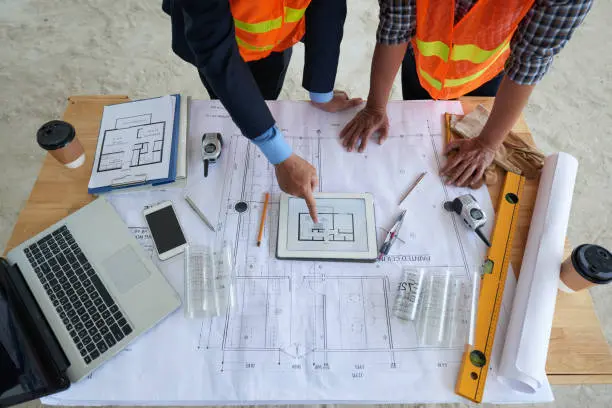
Pre-construction services cover everything a builder, owner, and design team do to prepare a project before construction begins. The goal is to define what you are building, what it will cost, how long it will take, and how to manage risks along the way. Whether you are planning a new commercial building, a multifamily project, or a major renovation, strong preconstruction planning gives everyone a shared, realistic roadmap. It brings the builder into the conversation early, when their input can still shape decisions at low cost.
Why Early Planning Matters
The earlier a decision is made, the cheaper it is to change. Moving a wall on a drawing costs almost nothing, while moving it after framing can mean demolition, rework, and delay. Early planning also helps you avoid surprises, such as soil conditions, utility conflicts, zoning issues, or long lead times for materials. When these issues surface during planning, you can solve them calmly. When they surface mid-construction, they are usually urgent and expensive.
Key Pre-Construction Services
A complete pre-construction phase usually includes several connected services.
Feasibility Study
A feasibility study checks whether a project makes sense before you commit serious money. It looks at the site, zoning and code requirements, utilities, access, preliminary design options, and rough costs. The result helps you decide whether to proceed, adjust the scope, or consider a different site. It is one of the most valuable steps for new construction and large additions.
Construction Estimating
Accurate construction estimating turns drawings and specifications into a realistic cost picture. Estimators account for materials, labor, equipment, subcontractors, and general conditions, and they update numbers as the design develops. Estimating done early and refreshed often keeps design decisions aligned with what you can afford, rather than revealing a budget gap after the plans are finished.
Construction Budget Planning
A well-built construction budget goes beyond the basic building cost. It should include design fees, permits, site work, contingency, furniture or equipment, and financing costs. Setting a contingency for unknowns is a sign of good planning, not pessimism. Reviewing the budget with your builder during design helps you make smart trade-offs and prioritize what matters most.
Scheduling and Sequencing
A realistic schedule considers permitting time, material lead times, weather, and the order in which trades must work. Planning the sequence early helps prevent bottlenecks, such as waiting on long-lead items or having multiple trades blocking each other. A clear timeline also helps you coordinate financing, tenants, or move-in dates.
Value Engineering
Value engineering looks for ways to achieve your goals at a lower cost without hurting quality or function. This might mean suggesting alternative materials, simplifying a detail, or adjusting a system so it is easier and cheaper to build and maintain. Done early, it can deliver savings with little disruption to the design.
Permitting and Code Review
Reviewing permit and code requirements early helps prevent delays and redesign. Your team can identify what approvals are needed, prepare documents, and plan around inspection timelines. Catching code issues during design avoids costly changes later.
Risk Review and Procurement Planning
Identifying risks, such as supply chain delays, site conditions, or complex coordination, lets you plan responses ahead of time. Early procurement planning, including selecting subcontractors and ordering long-lead materials, helps lock in pricing and avoid schedule slips.
How Pre-Construction Saves Money
Planning saves money in several practical ways:
- Fewer change orders because scope and details are clearer before work starts
- Less rework since design conflicts are resolved on paper
- Better pricing through early input on materials and subcontractors
- Smarter design decisions guided by real cost feedback
- Reduced waste from clearer quantities and coordination
- Stronger contingency control because risks are identified in advance
How Pre-Construction Saves Time
Time savings come from fewer surprises and better coordination. Permits are prepared earlier, long-lead materials are ordered on time, and trades are scheduled efficiently. Design and construction teams also stay aligned, so there are fewer delays caused by waiting for answers or redoing work. A project that starts with a clear plan tends to move more smoothly from groundbreaking to completion.
What Happens Without Early Planning?
| Without early planning | With early planning |
| Budget gaps found after design is complete | Costs tracked as the design develops |
| Frequent change orders | Clearer scope and fewer changes |
| Permit and code surprises | Requirements identified upfront |
| Material delays disrupt the schedule | Long-lead items ordered early |
| Design decisions made without cost feedback | Value engineering guides choices |
| Stress and disputes between teams | Shared plan and clear expectations |
Who Benefits From Pre-Construction Services?
Pre-construction planning helps almost any project, but it is especially valuable for commercial buildings, multifamily and condo developments, industrial facilities, and larger renovations where budgets and schedules are tight. Homeowners planning major remodels or additions can benefit as well, since early planning helps clarify scope and expectations before demolition begins.
Tips for Getting the Most Out of Pre-Construction
- Involve your builder early, ideally during concept design.
- Be clear about your goals, budget limits, and must-have features.
- Request regular estimate updates as the design progresses.
- Include a contingency in your budget for unknowns.
- Ask about the schedule, especially permitting and material lead times.
- Keep communication open so decisions are made quickly and documented.
Getting Started
If you are planning a project and want a clearer picture of cost, timeline, and risk before you build, Build Once Construction offers pre-construction services along with design-build and project management. With offices in Grand Forks, North Dakota and Texas, the team handles residential and commercial work. Contact them early, since the best time to plan is before the design is locked in.
Frequently Asked Questions (FAQs)
What are pre-construction services?
They are the planning steps done before building begins, including feasibility studies, estimating, budgeting, scheduling, design coordination, permitting review, and risk management.
Do pre-construction services really save money?
They often help by catching problems early, reducing change orders and rework, and guiding cost-conscious design decisions. Results depend on the project and how early the planning starts.
When should I start pre-construction planning?
As early as possible, ideally during concept design or even site selection, when changes are cheapest and easiest to make.
What is a feasibility study in construction?
It is an early evaluation of whether a project is practical, looking at the site, zoning, utilities, design options, and rough costs.
Are pre-construction services only for large commercial projects?
No. They are most common on commercial work, but residential projects like major remodels and additions also benefit from early planning.
Planning a Project? Start With a Plan
Get clarity on cost, schedule, and scope before you build. Contact Build Once Construction to talk about your project.